Welcome
FIIDOTHERM HEAT PUMPS
We are manufacturer of Low Energy Water Heater in India.
Welcome
HOT WATER MADE EASY WITH FIIDOTHERM
We are manufacturer of Low Energy Water Heater in India.
Welcome
HOT WATER MADE EASY WITH FIIDOTHERM
We are manufacturer of Low Energy Water Heater in India.
Welcome
HOT WATER MADE EASY WITH FIIDOTHERM
We are manufacturer of Low Energy Water Heater in India.

Welcome to Fiidotherm Heat Pumps

At Fiidotherm Pumps, we take pride in being a leading manufacturer of heat pumps water heaters, specializing in Heat Pump technology. As a sister concern company of the esteemed Sudarshan Saur and Surya Springs Group of Companies, we uphold a legacy of excellence and innovation in the energy and manufacturing sectors.

since 1989

34
Years Experience
Services

PURPOSE

thumb

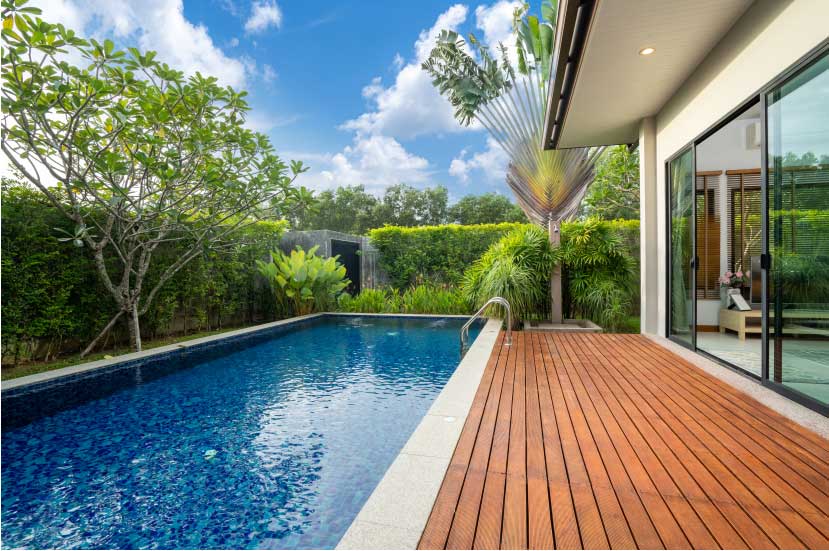
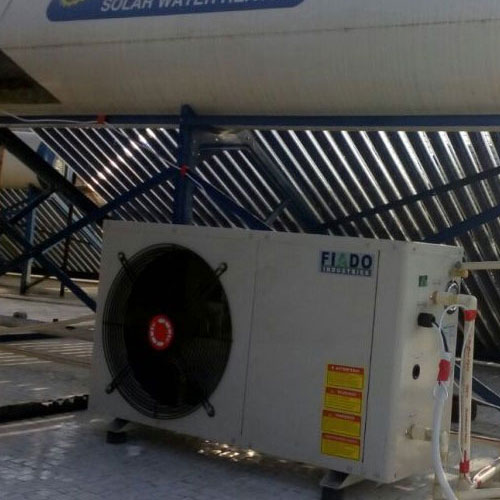
Domestic Heat Pump

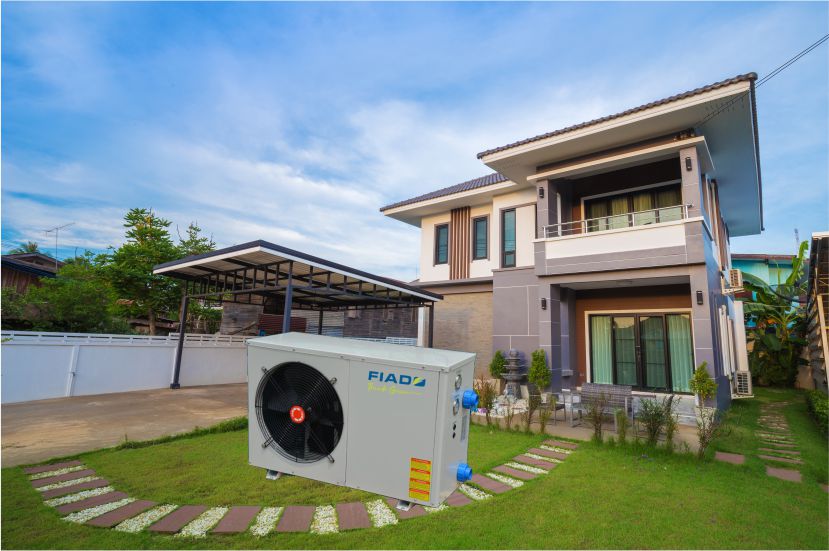
The Domestic Heat Pump system is a versatile and eco-friendly solution designed to meet the hot water needs of a wide range of residential settings, including bungalows, small villas, apartments.

Read More
thumb

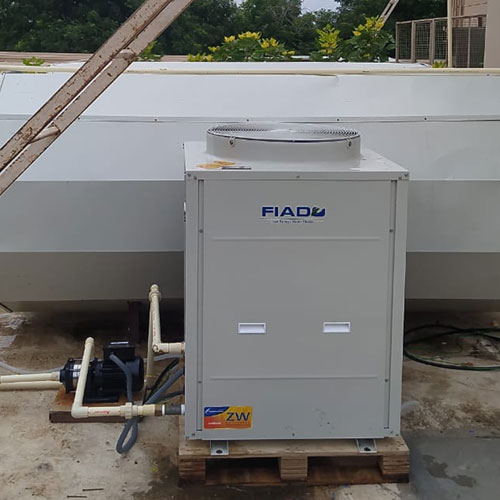
Commercial Heat Pump

In the modern world, energy-efficient solutions for meeting hot water demands in commercial settings are of paramount importance. The commercial heat pump is a versatile and sustainable

Read More
thumb

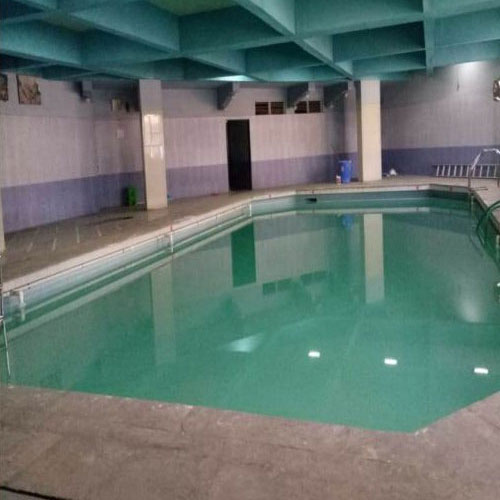
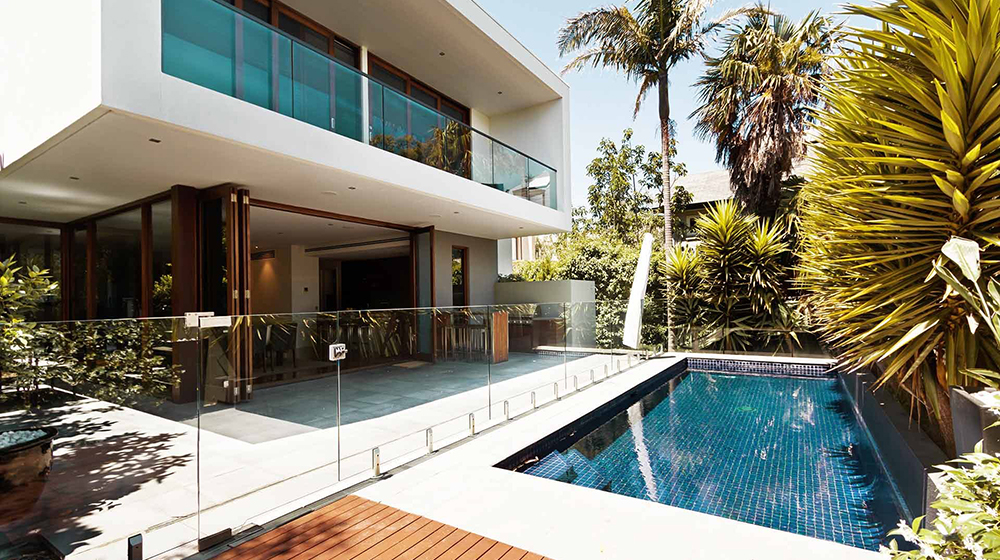
Swimming Pool Heat Pump

When it comes to the perfect relaxation oasis, a swimming pool often tops the list. Whether you’re enjoying a refreshing dip on a scorching summer day or seeking a soothing..

Read More
thumb

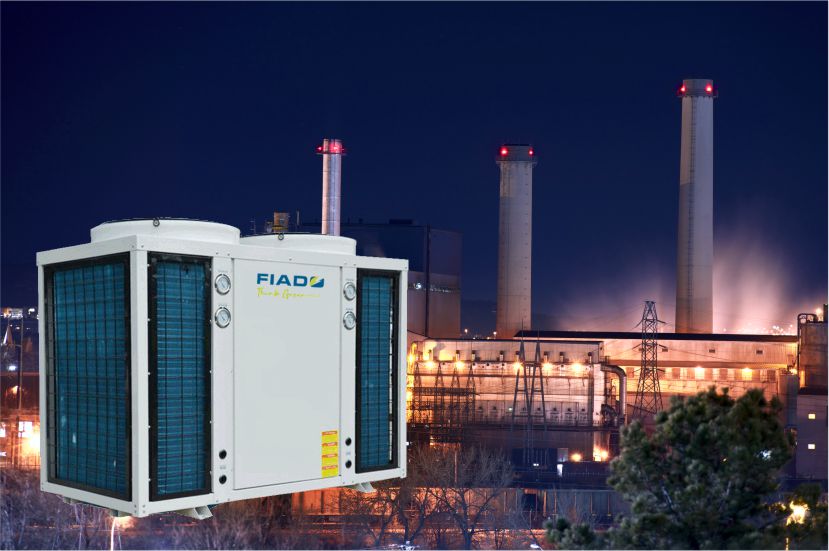
Industrial Heat Pump

In the world of industrial processes, the need for high-temperature water is undeniable. Whether it’s for powering feed water boilers, facilitating the rigorous demands of laundries..

Read More
thumb

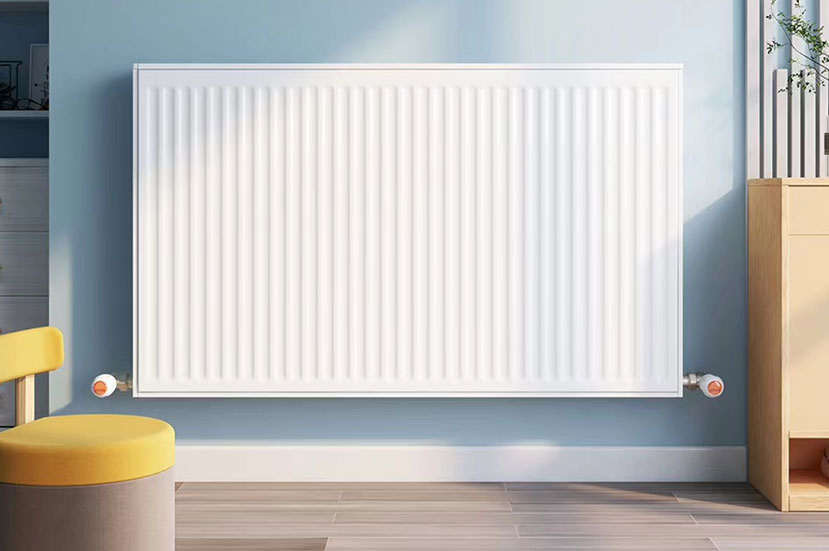
Space Heating & Cooling Heat Pump

In the quest for more efficient and sustainable solutions for our homes, heat pumps have emerged as a versatile and all-encompassing technology.

Read More
Projects

Latest works

Testimonial

What people says

From Blog

Our Blogs

The Preferred Choice for Interior Comfort

Energy-Efficient Heat Pumps

Introduction: When it comes to creating a comfortable and energy-efficient indoor environment, the choice of a heating and cooling system is paramount. Among the options available, heat pumps have emerged as a preferred choice for many interior spaces. These innovative devices not only provide effective temperature regulation but also offer significant advantages in terms of energy efficiency, cost savings, and environmental friendliness.

  1. Year-Round Comfort: Heat pumps are designed to handle both heating and cooling, making them a versatile solution for interior comfort. They work by transferring heat between the indoor and outdoor environments, using the principles of refrigeration. During colder months, heat pumps extract heat from the outdoor air (even in chilly conditions) and transfer it inside, providing cozy warmth. In the summer, the process is reversed to cool the indoor space, maintaining a comfortable temperature throughout the year.
  2. Energy Efficiency: One of the primary reasons heat pumps are preferred by interior enthusiasts is their exceptional energy efficiency. Unlike traditional heating and cooling systems that generate heat (or cold) by burning fuel or using electrical resistance, heat pumps simply move heat from one place to another. This process is much more efficient, as it requires less energy to transfer heat compared to generating it. This efficiency translates to lower energy bills, making heat pumps an economical choice.
  3. Cost Savings: While the initial investment in a heat pump system may be slightly higher than some other options, the long-term cost savings more than make up for it. The reduced energy consumption leads to lower utility bills, and many regions offer incentives, tax credits, or rebates for installing energy-efficient heating and cooling systems. Over the lifespan of the system, homeowners often find that the savings on energy bills can cover the initial installation costs.
  4. Environmental Friendliness: As concerns about the environment and carbon emissions grow, heat pumps shine as a sustainable choice. Since they don’t burn fossil fuels on-site, heat pumps produce far fewer greenhouse gas emissions than traditional systems. Additionally, as the electricity grid becomes cleaner through the adoption of renewable energy sources, the overall carbon footprint of heat pump operation continues to decrease.
  5. Quiet and Low-Maintenance: Heat pumps are known for their quiet operation, making them an excellent choice for maintaining a peaceful interior environment. They require minimal maintenance, with routine checks to ensure optimal performance. Compared to other HVAC systems, which often involve more extensive maintenance, heat pumps are relatively hassle-free.

Conclusion: For those seeking a comfortable, energy-efficient, and environmentally conscious heating and cooling solution, heat pumps have emerged as the preferred choice for interior spaces. Their ability to provide year-round comfort, significant energy savings, and minimal environmental impact make them a compelling option for homeowners and businesses looking to enhance interior comfort while reducing their carbon footprint.

Read More

An Architectural Recommendation

The Elevated Advantage of Heat Pumps

Introduction: Heat pumps have emerged as a remarkable solution that architects highly recommend for a variety of reasons. Among these, one critical aspect is the elevated perspective they offer in terms of both energy efficiency and environmental sustainability. This article explores why heat pumps are gaining prominence from an architectural point of view, particularly in relation to elevation considerations.

  1. Efficiency at Altitude: When it comes to elevation, the efficiency of traditional heating and cooling systems can significantly drop. The higher you go, the more challenging it becomes for conventional systems to maintain the desired indoor temperature without consuming excessive energy. Heat pumps, however, excel in this aspect, making them the preferred choice in areas with varying elevations.
  2. Adaptability to Climate: Architects often face the challenge of designing buildings in regions with extreme climates. Heat pumps, designed to work as both heaters and air conditioners, are versatile and capable of handling diverse climate conditions. They can efficiently extract heat from the outside air (even in colder temperatures) and transfer it indoors during winter, and do the reverse during the summer. This adaptability is crucial in ensuring comfort for occupants while minimizing energy consumption.
  3. Reduced Environmental Impact: Sustainability is a cornerstone of modern architectural principles. Heat pumps align perfectly with these ideals by significantly reducing the environmental impact of buildings. Unlike fossil fuel-based systems that emit greenhouse gases, heat pumps operate by transferring heat rather than generating it directly. This results in lower carbon emissions, which is essential for achieving energy efficiency goals and reducing a building’s overall carbon footprint.
  4. Cost-Effective Long-Term Solution: From an architectural standpoint, heat pumps offer a cost-effective long-term solution. Despite initial installation costs, they provide substantial savings in energy bills over time. Their efficiency, adaptability, and reduced maintenance requirements make them an attractive option for architects looking to create sustainable and economical building designs.
  5. Design Freedom: Heat pumps are compact and require minimal space for installation. This allows architects greater design freedom when planning the layout and aesthetics of a building. With more space available for creative design elements, architects can focus on optimizing other aspects of the building’s functionality and aesthetics.

Conclusion: In the ever-evolving field of architecture, embracing sustainable and efficient solutions is essential. Heat pumps, recommended by architects worldwide, stand out as a top choice due to their efficiency, adaptability, reduced environmental impact, cost-effectiveness, and design flexibility—qualities that are particularly advantageous when considering elevation-related challenges. Incorporating heat pumps into building designs not only benefits the environment but also ensures the comfort and well-being of occupants while showcasing the innovation and forward-thinking approach of modern architecture.

Read More

The Perfect Match

Why a Heat Pump is Ideal for Your Bungalow Design

When it comes to designing your dream bungalow, you want every element to align perfectly with your vision. From the layout to the color scheme, every detail matters. One crucial aspect that often gets overlooked is the choice of heating and cooling system. This is where a heat pump shines, particularly for bungalow designs. Let’s explore why a heat pump is the ideal choice from a bungalow design point of view.

  1. Space-Efficiency: Bungalows are known for their efficient use of space, often featuring a single-story layout. A heat pump fits seamlessly into this concept because it’s compact and doesn’t require large ductwork like traditional HVAC systems. This means you’ll have more flexibility in designing your interior spaces, without worrying about bulky equipment taking up valuable square footage.
  2. Aesthetic Appeal: The streamlined design of a heat pump complements the clean lines and simplicity that bungalows are renowned for. Whether you prefer a classic bungalow style or a more modern interpretation, the heat pump’s unobtrusive presence won’t disrupt the visual harmony of your design.
  3. Energy Efficiency: Bungalows often emphasize energy efficiency due to their single-story nature. Heat pumps are highly efficient heating and cooling systems that can save you money on energy bills while minimizing your carbon footprint. This aligns perfectly with the eco-conscious mindset that many bungalow owners embrace.
  4. Zoning Possibilities: Heat pumps offer zoned heating and cooling, which is an excellent fit for bungalow designs. With zoned systems, you can control the temperature independently in different areas of your bungalow. This feature is particularly useful if you have guest rooms, a home office, or spaces you use less frequently. It ensures comfort where you need it and helps save energy in areas that are not in use.
  5. Quiet Operation: The serene atmosphere often sought after in bungalow designs can be easily disrupted by noisy HVAC systems. Heat pumps operate quietly, providing efficient heating and cooling without the distracting noise. This tranquility enhances the overall ambiance of your bungalow, making it an even more appealing retreat.
  6. Year-Round Comfort: Bungalows are cherished for their cozy, inviting feel. With a heat pump, you’ll enjoy consistent indoor comfort throughout the year, no matter the season. It efficiently heats your home in winter and provides cooling relief during the summer months.

In conclusion, a heat pump is an excellent choice for your preferred bungalow design. It seamlessly integrates into the efficient, aesthetic, and cozy aspects that make bungalows so beloved. When planning your dream bungalow, don’t forget to consider the benefits of a heat pump – it’s a decision that ensures both comfort and style for years to come.

Read More

LPG vs Heat Pump for Hotels in India: Why Heat Pumps are the Best to Get for the Winter Season

Why winter is the hard season for hotel hot water

For most hotels, hot water is not an extra. Guests expect it at any hour, in any weather. Fiidotherm’s own notes on hotels make the point plainly: hotels need hot water 24 hours a day, 365 days a year, whether it is cloudy, rainy or winter.

Winter adds pressure from several sides at once. In many tourist destinations it is the busy season, so more rooms are occupied. Showers get longer and hotter. Laundry, spa and pool loads go up. When the heating method is LPG, the fuel bill rises in step with all of that, because every extra litre of hot water means more gas burned.

Solar water heaters are the usual first idea, and the Sudarshan Saur group behind Fiidotherm has made them since 1989. But Fiidotherm’s FAQ is candid that in foggy winters and in places with weak winter sunshine, a solar-only system struggles. That gap is where a heat pump is worth a look.

How each one makes hot water

LPG water heater: Gas is burned, the flame heats the water. The cost depends on how much gas you burn, and you need cylinders or a gas storage arrangement on site.

Heat pump water heater: Fiidotherm describes its Low Energy Water Heater (LEWH) as a “reverse air conditioner”: the same refrigeration cycle as an air conditioner, used for heating instead of cooling. It collects heat from the air and transfers it to the water. Because most of the heat comes from the air, the electricity needed is comparatively small.

The measure for this is COP (coefficient of performance). As Fiidotherm’s FAQ explains it, a COP of 4 means that for every 1 kW of electricity going in, about 4 kW of heat comes out as hot water.

The honest winter question: what happens to a heat pump when it gets cold?

This is where good content usually goes quiet, so let’s be direct. Heat pump efficiency falls as the air gets colder. Fiidotherm’s FAQ says COP is generally 4 to 5 when the outside temperature is around 20°C, and drops to around 2.5 when it reaches 0°C. It is also higher when the gap between the two fluids exchanging heat is smaller.

The FAQ also notes that in freezing conditions the unit runs a defrost cycle to clear ice from the outdoor unit, and heating pauses for short periods while it does.

What this means for a hotel: a property in a mild-winter city and a property in a hill town are not the same case. The heat pump still works in both, but the savings story, the number of units and the amount of storage should be worked out for your actual winter temperatures. A sizing check before purchase is not a sales formality here; it is the part that decides whether the numbers hold.

LPG and heat pump side by side

LPG water heating Heat pump water heating
How heat is made Gas is burned Heat is moved from the air to the water using a compressor
What you mainly pay for Gas Electricity (mainly to run the compressor)
Fuel storage for water heating Cylinders or gas storage on site None needed for the water heating itself (kitchens may still use gas)
Open flame at the heater Yes No combustion at the heat pump
Effect of cold weather Does not depend on air temperature Efficiency falls as air gets colder (COP about 4 to 5 at 20°C, about 2.5 at 0°C, per Fiidotherm FAQ)
Space Varies by installation Fiidotherm says minimal space; units can also sit indoors or at ground level, not only on the terrace
Routine upkeep Gas supply, burners and safety checks Yearly or half-yearly inspection of pressure and shut-off valves, strainer, control box, fins and fan


How a hotel can check its own numbers

We are not going to quote a savings percentage here. Savings depend on your tariff, your LPG price, your climate and your usage, and no single number fits all hotels. What we can give you is a simple way to build your own comparison from your own bills.

  1. Separate the water-heating gas from the kitchen gas. Ask your supplier or accounts team for last winter’s LPG consumption, and estimate how much of it went to hot water.
  2. Estimate the heat you need. As a rule of thumb from basic physics, heating 1 litre of water by 1°C takes about 1.16 watt-hours. Multiply by litres per day and by the temperature rise you need.
  3. Divide by a realistic COP. Electricity needed is roughly the heat needed divided by the COP. Use the cold-month COP, not the best-case figure.
  4. Multiply by your electricity tariff, then set the result against your LPG cost for the same hot water.

This is a rough screening method, not a quotation. A proper design adds storage losses, piping, peak demand and standby capacity. That is what a site sizing does.

WANT A SECOND PAIR OF EYES ON YOUR NUMBERS?

Send us your property type, number of rooms, city and what you use today for hot water, and we will help you think through sizing. Fiidotherm’s commercial heat pumps are made for lodges, hotels, resorts, hospitals and apartments.

Enquire on WhatsApp   ·   See the commercial heat pump range   ·   Call +91 8956556948


Practical points to settle before you decide

Fiidotherm’s FAQ lists several installation precautions. They are worth knowing early, because they shape where the plant goes:

  • Ventilation. Install the unit where there is enough airflow.
  • Electrical supply. Place it near the electrical connection, single or three phase as recommended, and use a voltage stabiliser if your area has heavy fluctuation.
  • Water quality. If water is hard, above 300 ppm, use a softener at the inlet. A strainer or filter helps prevent the heat exchanger from choking.
  • Shade. Preferably install the unit and controller under shade so leaves and debris do not clog the fins and fan.
  • Running hours. Fiidotherm advises against running the unit 24 hours a day, which shortens its life. The FAQ suggests around 8 hours of running, used as required. For a hotel, that is why the storage tank and sizing matter as much as the heat pump itself.


INTERESTED IN A FIIDOTHERM DEALERSHIP FOR YOUR CITY?

Tell us your business type and city, and we will get back to you, typically within one business day.

Become a Fiidotherm dealer   ·   WhatsApp about dealership


Where Fiidotherm fits

Fiidotherm is a manufacturer of heat pump water heaters in India, a sister concern of Sudarshan Saur Shakti Pvt. Ltd., which has designed, manufactured and marketed solar water heaters since 1989. The manufacturing unit is at MIDC Waluj in Chh. Sambhajinagar, Maharashtra. For hotels, the relevant products are the commercial heat pump for guest rooms, kitchens and laundry, and the swimming pool heat pump where the property also has a pool. You can read more in our FAQ.

Frequently asked questions

Is a heat pump better than LPG for a hotel?

It depends on your climate, tariff and usage. A heat pump moves heat from the air instead of burning fuel, and Fiidotherm’s FAQ says it is four to five times as efficient as electric heaters, boilers and oil or diesel-fired equipment. Whether that turns into lower bills for your hotel is best checked with a sizing based on your own consumption.

Does a heat pump water heater work in winter?

Yes, but efficiency falls as the air gets colder. According to Fiidotherm’s FAQ, COP is around 4 to 5 at 20°C and around 2.5 at 0°C, and the unit runs a defrost cycle in freezing conditions. The system should be sized for your coldest month.

Can a heat pump replace LPG completely in a hotel?

For water heating, a properly sized heat pump system can take over the load that LPG heaters carry today. Kitchens that cook on gas are a separate matter. Some hotels may also choose to keep a backup source; that is a design decision to make with your consultant.

Can one system handle both guest rooms and the swimming pool?

Fiidotherm’s commercial heat pump is described as suitable for guest accommodation, spa facilities and resort pools, and it also makes a dedicated swimming pool heat pump. Which combination suits your property depends on loads and layout, so ask for a sizing.

What does a hotel need to share to get a sizing?

Number of rooms, city, current hot water source, approximate daily hot water use if known, available space for the outdoor unit, and whether the hotel has a pool, spa or laundry.
Read More

HVAC Contractors Can Help NCR Factories Prepare for Winter Fuel Restrictions with Heat Pumps

What winter restrictions mean for a factory in NCR

Each year, as the air quality in Delhi-NCR worsens, CAQM brings in restrictions under GRAP. The best-known one is on diesel generator sets: its directions ban them during GRAP periods, with limited exceptions such as sets running on gas, or dual-fuel sets (70 per cent gas and 30 per cent diesel) fitted with retrofitted emission control devices, which may run for a limited number of hours. Press reports from recent winters describe industrial units in places such as Faridabad, Gurugram and Panipat struggling to move from coal and diesel to piped natural gas, partly because the gas infrastructure was not available everywhere.

We are a heat pump manufacturer, not a regulator, and we are not giving legal advice. The point is simpler: for a factory in this region, the fuel and the equipment it uses to make hot water are worth reviewing before the cold season, not during it.

Sources for the regulatory points are listed at the end of this article.

Where hot water sits in a factory

Fiidotherm’s industrial page names the kinds of plants that need high-temperature water: feed water boilers, laundries, and chemical process industries. In many of these, hot water is made by burning something: diesel, coal, gas or oil, or by electric heating. That is the part a heat pump can be considered for.

What a heat pump can do here

  • Hot water at around 90°C. The industrial heat pump is described on Fiidotherm’s website as suited to industries needing water at about 90°C.
  • No open flame. Fiidotherm notes that heat pumps remove the risks that come with open flames and high-pressure steam systems.
  • No fuel burned on site. The unit runs on electricity and takes its heat from the air. Fiidotherm’s FAQ describes its Low Energy Water Heater as essentially a reverse air conditioner.
  • Fits into existing processes. Fiidotherm says it can integrate into existing industrial hot-water processes in manufacturing facilities, chemical plants and laundries.

What it cannot do, and where to be careful

  • It is not steam. If a process needs steam or temperatures above the heat pump’s range, a boiler or other source is still required for that part.
  • It does not provide backup power. A heat pump needs electricity. If a plant leans on diesel generators during outages, the GRAP limits on generators still apply.
  • Winter reduces efficiency. Fiidotherm’s FAQ says COP is around 4 to 5 at 20°C ambient and falls to around 2.5 at 0°C, and the unit runs defrost cycles in freezing conditions. NCR winters are cold well below that 20°C mark, so sizing must use cold-weather figures.
  • Run-time matters. The FAQ does not recommend running the unit 24 hours a day, because it shortens its life, and suggests around 8 hours, used as required. For a factory with round-the-clock hot water demand, the answer is correct sizing and storage, which should be discussed with the manufacturer.

A practical approach for HVAC contractors

If a factory owner asks you what to do about winter restrictions, this sequence keeps you on safe ground:

  1. List every hot water duty and its temperature. Wash water, process tanks, boiler feed water, rinsing: what is needed, at what temperature, for how many hours?
  2. Separate hot water from steam and from power. Only the hot water duties are candidates for a heat pump.
  3. Confirm the current rules for that unit. The location, the fuel used and the equipment type all matter. Ask the factory to confirm with CAQM directions and the state pollution control board.
  4. Walk the site. Fiidotherm’s FAQ lists what to check: good ventilation, a place near the electrical supply (single or three phase), a voltage stabiliser where fluctuation is high, a softener where water is hard (above 300 ppm), a strainer or filter, and shade for the outdoor unit.
  5. Get the sizing done with the manufacturer. Provide litres per day, inlet and outlet temperature, and operating hours.
  6. Plan servicing. The FAQ recommends a yearly or half-yearly inspection by experts, and says that service people from the air-conditioning field are well suited. That is a natural fit for an HVAC contractor.


HAVE A FACTORY IN MIND?

Share the hot water duties, temperature and daily volume, and we will help you assess whether an industrial heat pump fits. Fiidotherm’s industrial range is built for process industries, laundries and chemical plants.

Enquire on WhatsApp   ·   See the industrial heat pump page   ·   Call +91 8956556948


Why this suits HVAC contractors

Fiidotherm’s dealer page points out that a heat pump water heater runs on the same refrigeration cycle as the air-conditioning systems an HVAC team already installs and services. That means the skills transfer: refrigeration circuits, controls, airflow, and routine maintenance.

Fiidotherm is inviting HVAC contractors, MEP consultants, bathroom accessory dealers, solar water heater and geyser dealers and architects to add heat pumps to what they offer. Territory, terms and pricing are discussed individually, and you can ask about training, marketing material and after-sales support in your city. Delhi and Chandigarh are among the cities Fiidotherm already lists, and the team is open to hearing from other cities in the region.

WANT TO OFFER INDUSTRIAL HEAT PUMPS IN NORTH INDIA?

Tell us your business and city. We typically reply within one business day.

Become a Fiidotherm dealer   ·   WhatsApp about dealership


About Fiidotherm

Fiidotherm manufactures heat pump water heaters in India. It is a sister concern of Sudarshan Saur Shakti Pvt. Ltd., which has designed, manufactured and marketed solar water heaters since 1989. The group also includes Surya Springs, a precision-engineering manufacturer. Products include industrial heat pumps (around 90°C), commercial heat pumps, domestic heat pumps, swimming pool heat pumps and space heating and cooling heat pumps. More in our FAQ.

Frequently asked questions

Does CAQM ban diesel boilers in NCR?

The best-known GRAP restriction concerns diesel generator sets. Rules on fuels for boilers and process heaters differ by area and have changed over time, so check the current CAQM directions and your state pollution control board for your specific unit. Do not rely on a summary, including this one.

Can an industrial heat pump reach 90°C?

Fiidotherm describes its industrial heat pump as supplying water at around 90°C, for uses such as feed water boilers, laundries and chemical processes. Whether that suits your process depends on the temperature and volume you need.

Will a heat pump work in Delhi winters?

Yes, but efficiency falls as it gets colder. Fiidotherm’s FAQ gives COP of about 4 to 5 at 20°C and about 2.5 at 0°C, and the unit uses a defrost cycle in freezing conditions. Sizing should be based on cold-month conditions.

Can a heat pump replace a steam boiler?

Not for steam. A heat pump supplies hot water. If your process needs steam, a heat pump may take over the hot water duties only. A site assessment will show which duties qualify.

Will a heat pump keep a factory running during a generator ban?

It does not supply power. It runs on grid electricity, so the answer depends on your power arrangements. A heat pump removes one fuel-burning hot water source from the picture, nothing more.

Sources

Read More

The Hospitality Zero-LPG Framework: Engineering Commercial Hot Water Without On-Site Fuel

Why hotels look at this

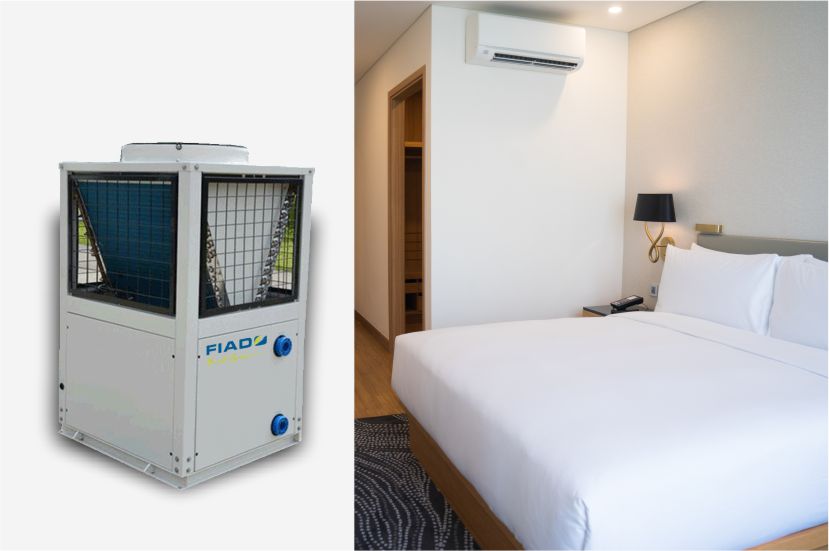
Fiidotherm’s commercial heat pump is made for the kinds of properties named on its website: five-star hotels, resorts, big hospitals, lodges, apartments and hostels. For resorts, the page mentions guest accommodation, swimming pools and spa facilities.

Two things push hospitality teams to rethink LPG. One is cost: hot water demand rises with occupancy, and an LPG heater’s gas use rises with it. The other is the safety and logistics of storing gas on site. A heat pump removes both for the water heating side, though kitchens that cook on gas are a separate decision.

The seven-step framework

1. Audit the hot water demand

Start with litres, not equipment. Record how many litres of hot water the property uses, when the morning and evening peaks fall, and how demand changes between peak and off seasons (weddings, festivals, tourist months). Separate guest rooms, kitchen, laundry, spa and pool. Hot water at hotels is needed around the clock, which means the storage design is as important as the heater.

2. Map today’s energy sources

Note what makes hot water now: LPG, diesel, electric heaters, solar, or a mix. Pull twelve months of bills if you can. This gives you a baseline to compare against, and it shows which season stresses the system.

3. Size for your coldest month

Fiidotherm’s FAQ says heat pump COP is around 4 to 5 at 20°C ambient and around 2.5 at 0°C, and that it is higher when the temperature gap between the exchanging fluids is smaller. A system sized only for a mild day will fall short in winter. Give the manufacturer your coldest realistic month, your peak litres and the hot water temperature you need, and let the sizing follow from those.

4. Choose the location

Fiidotherm’s FAQ sets out the precautions that decide where the plant can go:

  • Enough ventilation around the unit
  • Close to the electrical connection (single or three phase), with a voltage stabiliser if the supply fluctuates
  • Under shade where possible, so leaves and debris do not choke the fins and fan
  • A strainer or filter, and a water softener where water is hard (above 300 ppm)

The same FAQ points out that a hotel’s terrace space is precious, and that a heat pump takes very little space and can even be kept indoors or on the ground floor. That frees the terrace for other uses.

5. Plan storage and the plumbing loop

This is where a consultant earns the fee. The heat pump heats stored water; the loop delivers it to rooms, kitchen, laundry and spa. Insulate the pipework, place shut-off valves for servicing, and think through how the heat pump system links with any existing boilers or solar water heaters you keep. Fiidotherm says its commercial system can be tailored to different establishments, from a small lodge to a large resort.

6. Commission and test

Check water pressure, pressure valves, shut-off valves, non-return valves, filters and the control box before handover. Record starting readings so that you can compare against them later.

7. Keep to a service schedule

Fiidotherm’s FAQ recommends a yearly or half-yearly inspection by experts, and says people from the air-conditioning field are a good fit. It also advises against running the unit 24 hours a day, as that shortens its life, suggesting around 8 hours of running, used as required. Build that into the storage design so that guests never notice.

PLANNING A HOTEL OR RESORT PROJECT?

Share your property type, rooms, city and current hot water source. We will help you work through sizing and placement. Fiidotherm’s commercial range covers hotels, resorts, lodges, hospitals and apartments.

Enquire on WhatsApp   ·   See the commercial heat pump range   ·   Call +91 8956556948


A simple way to compare your numbers

Because we cannot quote a savings figure that fits every hotel, here is a method you can run with your own data:

  1. Heat needed per day (kWh) is roughly litres per day × temperature rise in °C × 0.00116.
  2. Electricity needed is that figure divided by the COP at your coldest month.
  3. Multiply by your electricity tariff to get a daily running cost.
  4. Set this against the daily LPG cost of heating the same volume.

This is a screening calculation only. A proper design includes storage losses, piping losses and standby capacity.


What the framework does not promise

  • It does not promise a specific percentage saving. That depends on your tariffs, climate and usage.
  • It does not remove every flame from the property. Gas kitchens remain a separate system.
  • It does not remove the need for local approvals. Check electrical, building and fire requirements with the relevant authorities in your city.


WANT TO OFFER COMMERCIAL HEAT PUMPS TO HOTELS IN YOUR CITY?

We typically reply within one business day.

Become a Fiidotherm dealer   ·   WhatsApp about dealership


About Fiidotherm

Fiidotherm manufactures heat pump water heaters in India and is a sister concern of Sudarshan Saur Shakti Pvt. Ltd., which has designed, manufactured and marketed solar water heaters since 1989. That is group experience in thermal products. It is not 34 years of heat pump installations, and we do not claim it is. Explore the commercial heat pump, swimming pool heat pump and industrial heat pump pages, or read the FAQ.

Frequently asked questions

What does “zero-LPG” mean for a hotel?

It means no LPG is used to heat water. A heat pump heats water using electricity and heat from the air, so no gas is burned or stored for that purpose. Kitchen gas is a separate matter.

Is a heat pump hotel hot water system fossil-fuel free?

Not strictly. It burns no fuel on site, but the electricity it uses comes from the grid. That is why we describe it as no on-site fuel.

How do I size a heat pump for a hotel?

Start with litres per day, the morning and evening peaks, the temperature you need, and your coldest month. Share these with the manufacturer, who sizes the heat pump and storage together.

Can it work with my existing boiler or solar water heater?

That is a design question for your consultant. Fiidotherm says its commercial system can be tailored to the establishment, and the group makes solar water heaters too. Ask for a layout review.

What maintenance does it need?

Fiidotherm’s FAQ recommends a yearly or half-yearly inspection covering pressure and shut-off valves, filter or strainer, control box, and cleaning of fins and fan, preferably by people from the air-conditioning field.

Read More
SUCCESS JOURNEY

What We Have Achieved

34

+

Years Of Experience

8

+

Products Range

50

+

Connected City’s

2000

+

Satisfied customers

Fiidotherm Heat Pump Water Heaters in India

Fiidotherm heat pumps is sister concern of SUDARSHAN SAUR SHAKTI GROUP . Since 1989, Sudarshan Saur Shakti Pvt. Ltd. has been designing, manufacturing and marketing solar water heaters, leading to Sudarshan Saur becoming India’s highest selling brand. Your search for best hot water solutions using heat pump water heater in India, ends here. To know the heat pump water heater price for domestic, commercial or industrial installation, contact us or our nearest dealer in your city.

Contact Us

fiidotherm@gmail.com


Social Media